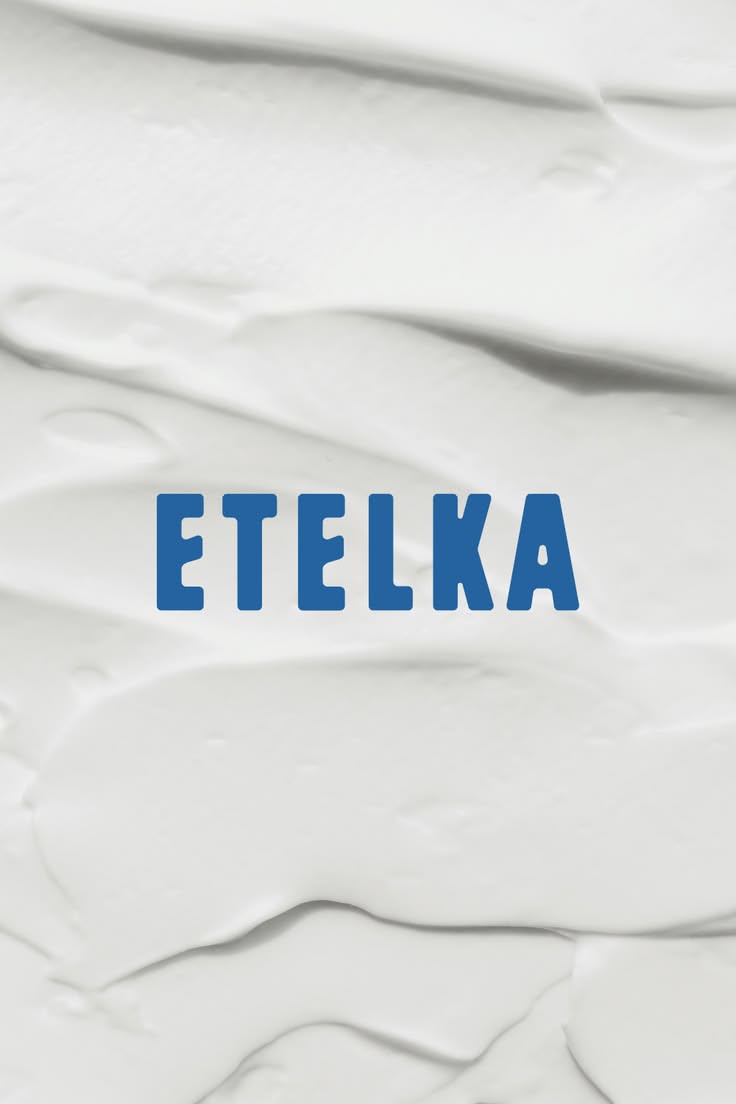
Brand & Packaging Design for Dairy Startup
As the system grew, publishing became fragmented. Product updates lived in multiple places.
Teams could publish faster without feeling rushed. Updates felt intentional rather than reactive. Documentation stopped lagging behind releases, and onboarding materials stayed relevant without constant rewriting.
Most importantly, publishing no longer felt like a task that required momentum or perfect timing. It became part of the workflow instead of an interruption to it.
Why publishing became the bottleneck
This feature emerged from a simple observation: the product itself was evolving faster than the way it was explained. Nerdstack’s team wasn’t struggling with shipping features, but with keeping documentation, release notes, and onboarding materials aligned with what was actually live.
As the system grew, publishing became fragmented. Product updates lived in multiple places. Documentation required manual coordination. Small changes triggered disproportionate editorial work. The result wasn’t chaos, but friction — slowdowns that quietly accumulated over time.

How it changed daily work
Teams could publish faster without feeling rushed. Updates felt intentional rather than reactive. Documentation stopped lagging behind releases, and onboarding materials stayed relevant without constant rewriting.
Most importantly, publishing no longer felt like a task that required momentum or perfect timing. It became part of the workflow instead of an interruption to it.
Why it matters
Streamlining publishing wasn’t about speed alone. It was about confidence. When teams trust that what’s public reflects what’s real, decisions get easier and communication becomes quieter.
For Nerdstack, this meant fewer internal questions, clearer external signals, and a system that could scale without demanding more attention as it grew.
Become a brand that matches your ambition and standards